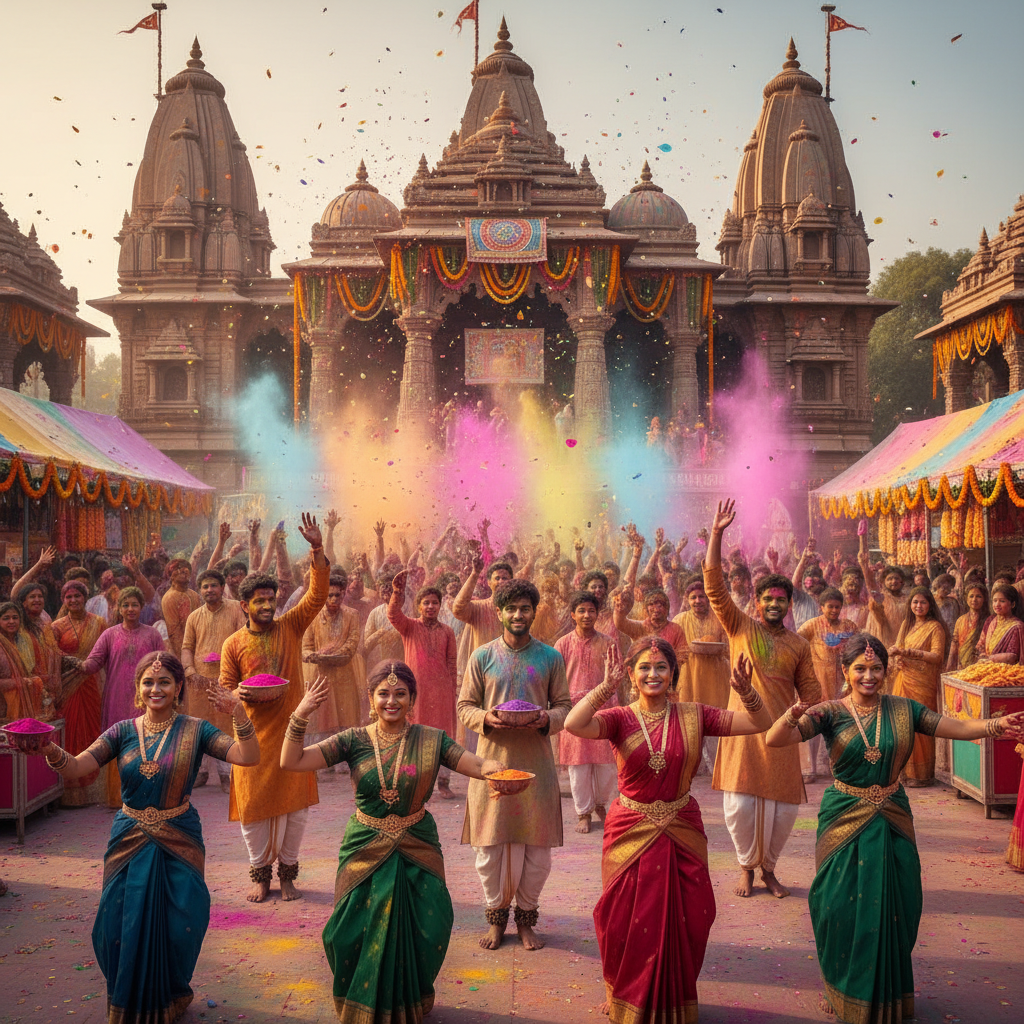
India culture festival Holi traditions customs

India is one of the world's most culturally complex and richly diverse countries. Respecting local customs and sensitivities not only makes you a more considerate traveller — it deeply enriches your experience. Indians are warm, welcoming people who genuinely appreciate visitors who make an effort to understand their culture.

1. Dress Code & Modesty

DO Wear

  • Loose, modest clothing covering shoulders and knees in religious sites
  • A light scarf/dupatta that can double as a shawl
  • Comfortable, slip-on shoes (constantly removed at temples)
  • Bright colours — Indians love vibrant clothing and will appreciate it
  • Salwar kameez or kurta — locals will be delighted if you wear local dress

DON'T Wear

  • Shorts, tank tops or sleeveless tops in religious sites
  • Revealing clothing in conservative areas and rural communities
  • Leather items inside Jain temples (leather is prohibited)
  • Black clothing at celebrations — colours are preferred
  • Very revealing swimwear at non-beach public areas

2. Visiting Temples, Mosques & Sacred Sites

  • Always remove shoes before entering any temple, mosque or gurdwara
  • Women must cover their heads with a scarf/dupatta at mosques and Sikh gurdwaras
  • Always ask before photographing the main deity or shrine inside temples
  • Walk clockwise around shrines and sacred objects (the traditional direction)
  • Do not touch idols or sacred objects unless explicitly invited to
  • Maintain quiet and respectful behaviour — these are active places of worship
  • Expect to be offered to participate in rituals — politely accept or decline

3. Social Customs & Interactions

The traditional Indian greeting is "Namaste" — palms together at chest height with a slight bow. It is universally appreciated. Handshakes are common in cities and business contexts, though many conservative Hindus and Muslims prefer not to shake hands with the opposite gender. Wait for the other person to initiate. "Namaste" works in any situation.

Public displays of affection between couples are generally frowned upon in traditional areas — avoid kissing or excessive physical contact in public, especially near religious sites. However, close same-sex friendship (including men walking hand-in-hand) is normal and not romantic. Female travellers should be aware that solo travel in some areas requires more caution.

If invited to an Indian home, bring a small gift (sweets, fruit, flowers — but not white flowers which are associated with mourning). Remove shoes at the door. You will almost certainly be offered tea and food — it's polite to accept at least something. Complimenting the host's home and family is always appreciated.

4. Photography Etiquette

Photography Dos

  • Always ask permission before photographing people, especially women, children and in religious areas
  • Offer to show people their photos — creates connection and joy
  • Pay for photography if requested — fair exchange

Photography Don'ts

  • Never photograph military installations, airports or government buildings
  • Do not photograph people in poverty or difficult situations without sensitivity
  • Respect "No Photography" signs — there are often genuine reasons

5. Other Important Cultural Tips

  • The left hand is considered unclean — use your right hand for eating, passing items and greeting
  • Cows are sacred to Hindus — never gesture disrespectfully towards a cow
  • Bargaining is expected at markets but be fair — don't haggle aggressively over tiny amounts
  • Nodding in India can mean "I understand" not necessarily "yes" — clarify important matters
  • During Hindu cremations on ghats, observe from a respectful distance and do not take photographs
  • Eat with your right hand only — the left hand is considered unclean for eating

Quick Cultural Summary

ALWAYS DO:

  • Greet with "Namaste"
  • Remove shoes at religious sites
  • Dress modestly in sacred areas
  • Ask before photographing people
  • Use right hand for eating

NEVER DO:

  • Wear shoes inside temples
  • Touch sacred objects uninvited
  • Show disrespect to cows
  • Public displays of affection
  • Photograph military/government sites

Experience India With Us

Our guides will explain every cultural custom as you visit each site — making your experience both respectful and enriching.

Browse Our Tours

More India Travel Tips